Blog· October 19, 2026
Field notes: the yard that went single-brand and nobody noticed
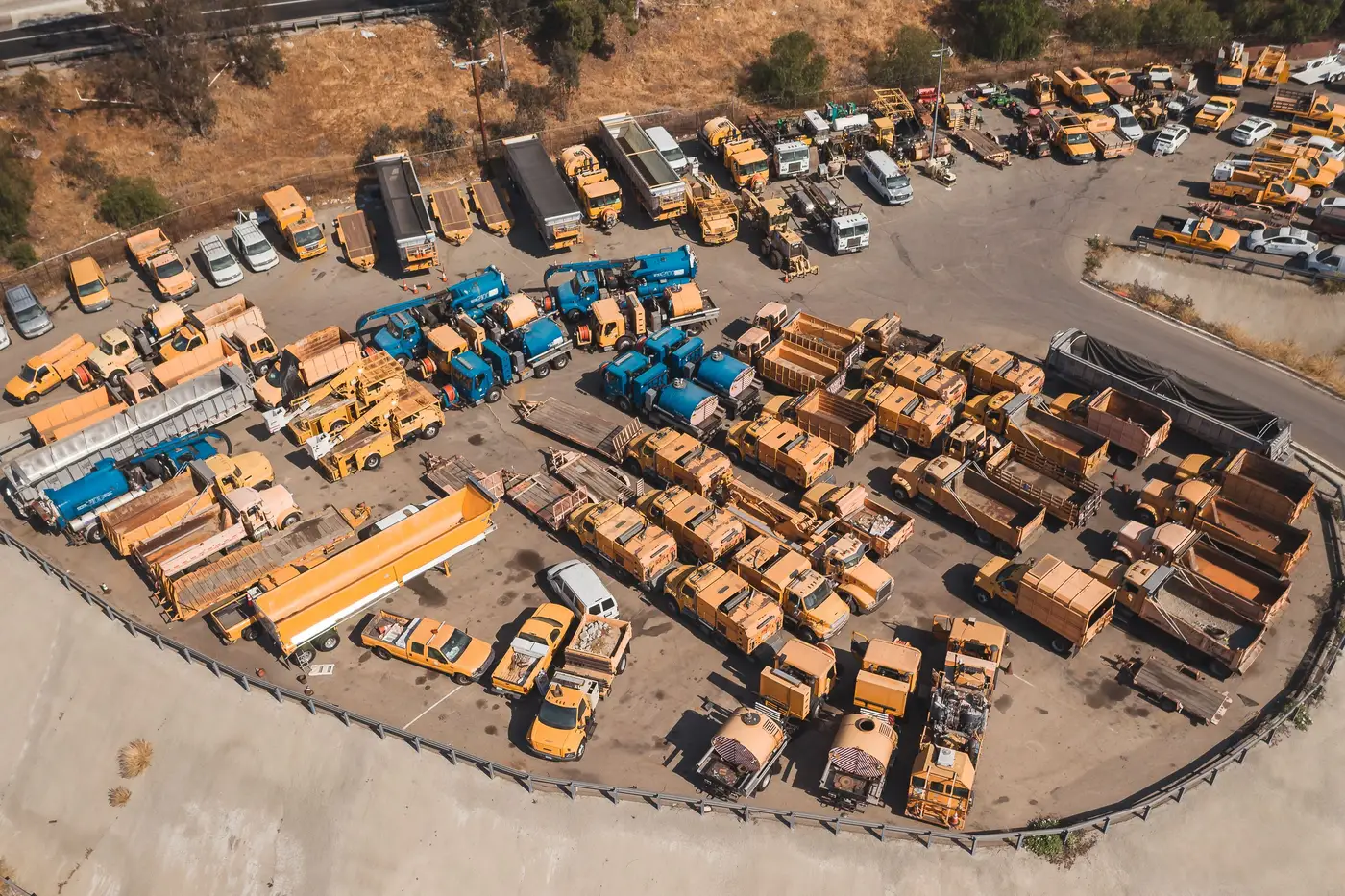
There's a dealer yard a lot of territory managers would recognize without ever having driven past this particular one. Three bays, a wash rack, a line of used iron along the fence for trade-ins. Two years ago it ran about a third yellow, a third green, and the rest a mix of red and orange depending on the season's trade cycle. Nothing unusual. The kind of split that makes a quarterly business review slide look busy.
Nobody at corporate flagged when that split started moving. There wasn't an event to flag. No dealer meeting announcement, no press release about dropping a line, no rep calling in panicked. It just happened the way these things happen: one color's share of the new-unit row crept up a few points a quarter, the other colors' trade-ins sat a little longer before they moved, and the gap between visits from anyone on your side was long enough that the drift looked like noise every single time, right up until it wasn't.
By the time someone from the manufacturer side walked that yard again, it was functionally a single-brand operation, the result of a hundred small losses, none big enough on its own to cross the threshold that triggers a phone call.
This is the part of the job nobody puts in the win/loss report, because there was no single loss to report. Share doesn't usually leave a yard in one clean motion. It shows up first in the floor plan renewal that quietly shifts terms, then in the service tech who used to be dual-certified and now only carries parts for one color. A trade-in ends up parked at the back fence instead of the front row, because the dealer's already decided which brand gets the good spot. Each of those moves is small enough to be invisible from a windshield survey, and all of them point the same direction.
Cadence is the real problem here, not vigilance. A territory manager covering forty accounts is spread thin across all of them, and a drive-by every few months catches whatever's parked facing the road that day. That's a real read, but a partial one, and it's the only read most OEM field teams have ever had access to. Nobody's built a habit of checking the same yard on the same schedule and writing down what they saw last time next to what they're seeing now, because doing that by hand across a full territory is a multi-day job nobody's staffed for.
That's the real shape of the miss. The information was never hidden; nobody was looking at the same patch of ground often enough, in the same way, to see the line move. A single visit tells you what's parked today. The comparison across visits, quarter against quarter, tells you a brand is gaining ground or an account is slipping, and that comparison only works if somebody runs it on a schedule instead of whenever a rep happens to be in the area.
That's the gap a standing quarterly read of a site's brand mix is built to close, so the drift shows up as a trend on a chart instead of a surprise at renewal time.
If you've got a yard in your territory you haven't had eyes on since last winter, it's worth asking what you'd see if you looked today, and whether you'd know it had changed. Worth finding out before the quarter closes.