Blog· October 14, 2026
How to spot a competitor's beachhead at a long-standing account
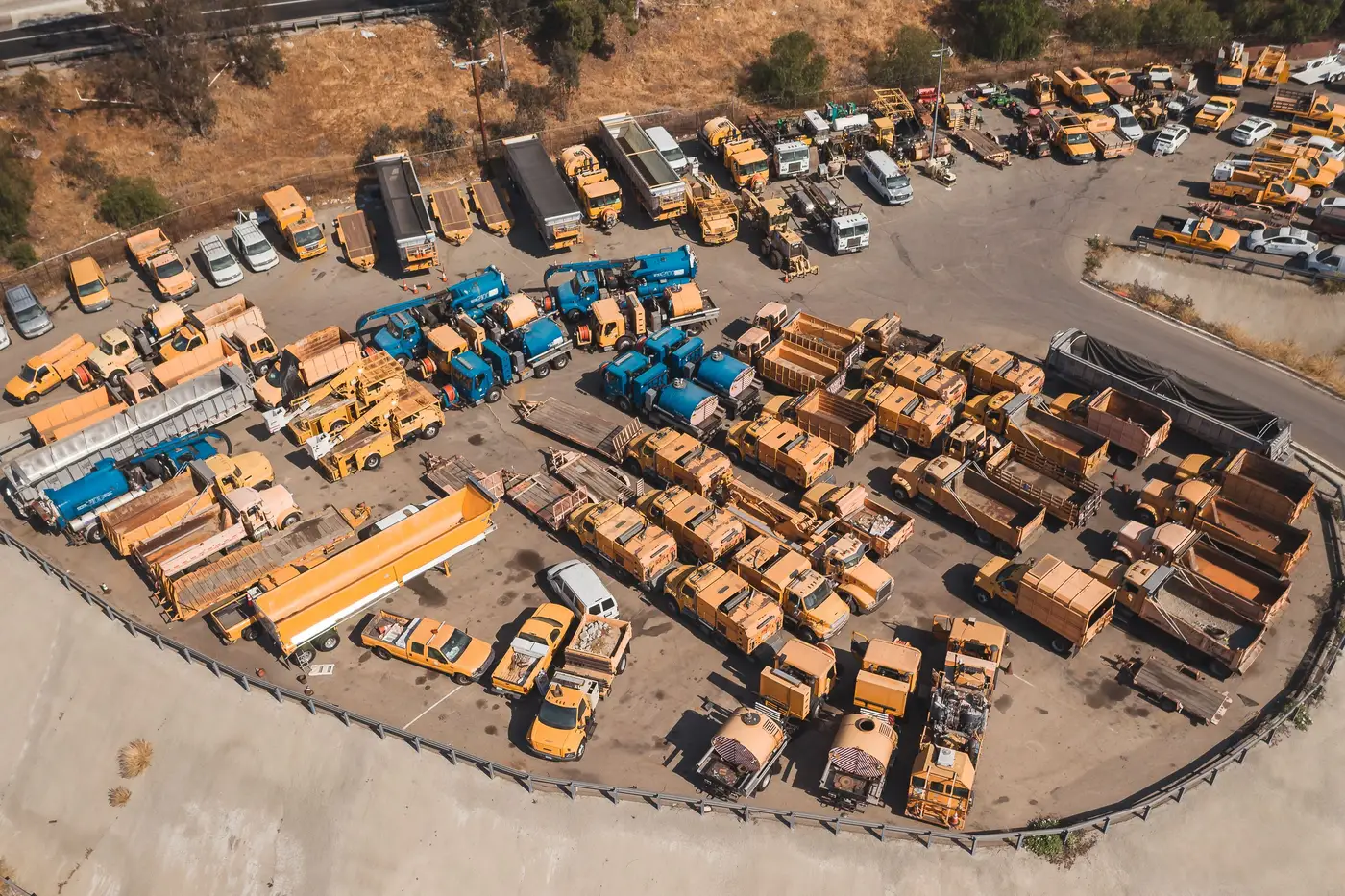
A beachhead rarely looks like a loss. It looks like one unit. A rental machine that shows up for a job and doesn't leave. A demo unit parked by the shop that's still there a month later. One piece of rival iron sitting among twenty of yours, easy to explain away as a one-off.
It isn't a one-off if it's still there next quarter.
What a beachhead looks like
At most accounts worth tracking, the brand mix has been settled for years. The customer standardized on your iron a decade ago, your parts guy knows their fleet by serial number, and nobody on either side thinks about switching. That stability is exactly what makes a beachhead hard to see. It doesn't arrive as a fleet swap. It arrives as:
- One rental or demo unit that overstays its welcome
- A new color showing up in a corner of the yard that used to be all yours
- A trade-in that gets replaced with the other guy's model instead of yours
- A unit parked near the office or shop rather than out with the working fleet, which often means it's there to be evaluated, not just used
Any single one of these is noise. The pattern across two or three quarters is the signal, and that pattern is the thing nobody's windshield survey is built to catch.
Why the windshield survey misses it
The traditional read on an account is a rep driving past the gate, or walking the yard during a service call, and reporting back what they saw. That works fine for a dramatic change, a yard that's gone from all-yours to half-theirs. It does not work for the early stage, because:
A rep sees the account on their own schedule, not a fixed one. They might swing by every six weeks, or every six months, depending on what else is on their plate that quarter.
A rep's read is subjective and perishable. "Looked about the same" from March doesn't tell you anything useful when compared against "looked about the same" from September, because nobody wrote down what "the same" actually meant in either visit.
A rep has an incentive not to flag early encroachment. A rep is rarely eager to be the one who tells the district manager that a flagship account might be drifting, especially on the strength of one rental unit that could be gone next month. So it gets mentioned informally, if at all, and it doesn't make it into anything the account team reviews.
By the time encroachment is obvious enough that a rep brings it up unprompted, the rival has usually been running demo units on that site for two or three quarters already. The sales call that was supposed to be a routine check-in turns into damage control.
Catching the shift before the next sales call
A consistent read of the yard, taken the same way, on the same schedule, account after account, turns a single rental unit into a data point instead of an anecdote. One quarter it's a count: so many units, roughly this brand split. The next quarter you compare. If the rival's unit count at that account moved from one to three while yours held flat, that's a beachhead, and you know it before anyone's reading tea leaves off a sales report.
That's the gap Share of Yard is built to close: a per-site brand mix reading, taken on a repeatable quarterly cadence across the accounts your team cares about, so the first sign of encroachment shows up as a trend line instead of a rumor. If you'd rather see the shift coming than hear about it after the fact, that's the read worth setting up next.