Blog· October 13, 2026
How to track equipment turnover at a customer site across multiple quarters
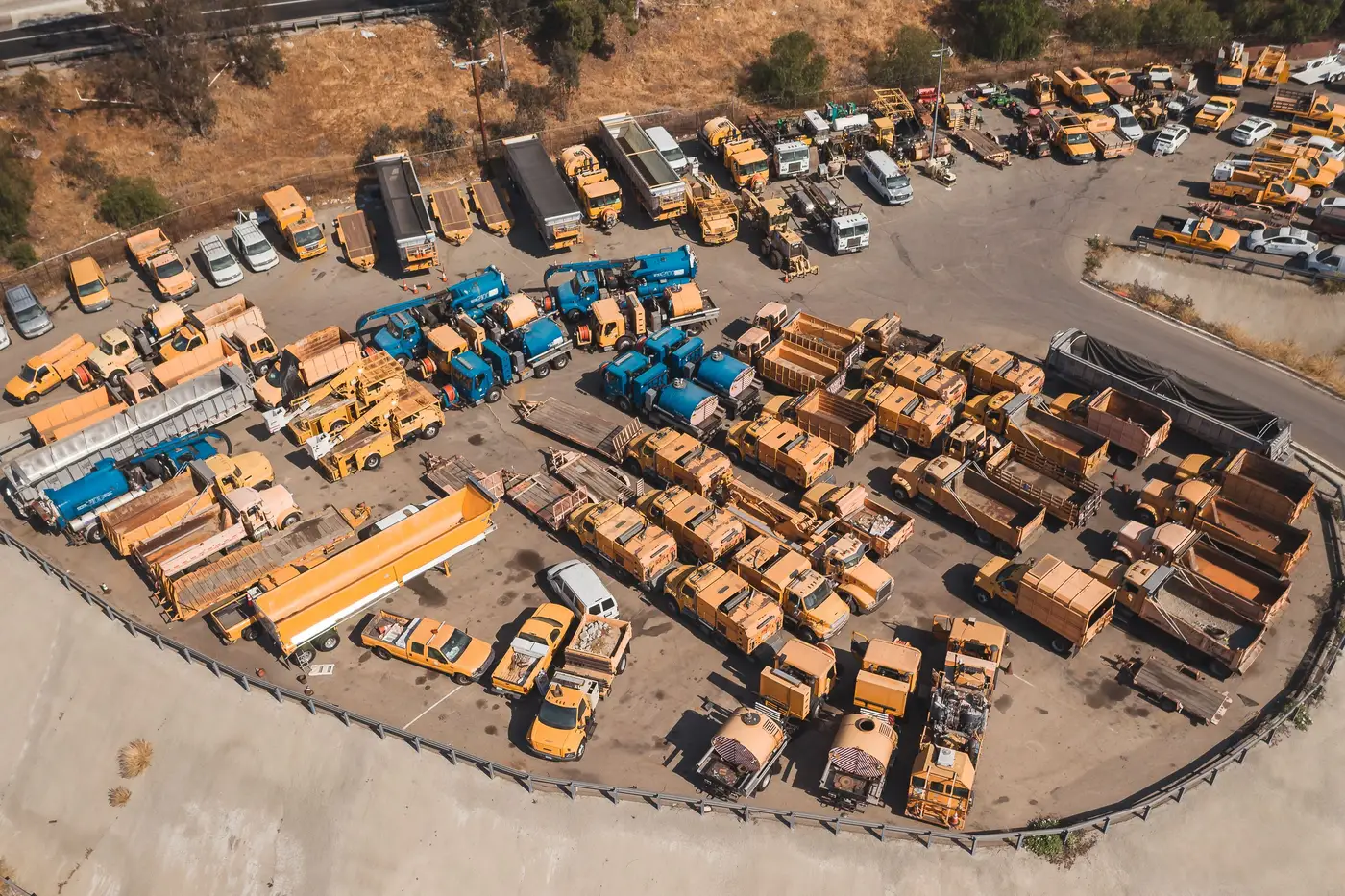
A rep drives past a gate, counts what's sitting on the yard, and reports back. Three units of yours, two of the competitor's, one unknown. That's a snapshot. It tells you nothing about turnover unless someone drove past that same gate last quarter and wrote down what they saw then too, in a format you can compare.
Turnover is the whole point of watching a named account. What matters is whether that count was eight six months ago, whether two of your machines left and got replaced with a competitor's, or whether the account grew its fleet and handed the new units to someone else entirely. A yard holding five excavators today is just a number on its own. None of that shows up in a single visit. It only shows up as a difference between visits.
Why a one-time count doesn't tell you about turnover
The trouble with the windshield survey is consistency, not honesty. A rep genuinely sees what's parked that day. But "that day" might be a slow Tuesday with half the fleet out on jobs, or the week after a big delivery, or six months after a quiet one you never heard about. Compare two counts taken under different conditions, by different people, with different judgment calls about what counts as "yours" versus "unknown," and the difference between them is mostly noise.
Reading turnover instead of just inventory means reading the same site, the same way, on a schedule: same ground covered, same method for attributing brand, same cadence between reads. Otherwise a real swap looks identical to a rep having a bad day or parking in a different spot on the lot.
Building a quarterly baseline you can compare
A workable method has three parts.
First, pick the accounts that matter and define the yard boundary once: the specific storage area, staging lot, or laydown yard where idle and in-service iron sits, not the dealer's property line in general. Draw that boundary the same way every time.
Second, read the site on a fixed cadence, not opportunistically. Quarterly is enough to catch real turnover without drowning in noise from day-to-day fleet movement. A read taken every six weeks when someone happens to be in the area, and then not again for eight months, gives you a pile of counts you can't line up against each other.
Third, log count and rough brand attribution for every read, not just a total. "Fourteen units, roughly eight ours, four a named competitor's, two unclear" is the kind of entry that lets you build a trend line. A bare headcount doesn't tell you who's gaining ground.
Once you've got three or four quarters of reads logged this way, the pattern starts to show itself. A rival's share climbing steadily at one account while yours holds flat somewhere else is a real signal worth a phone call to the territory manager. A single quarter's swing, on its own, usually isn't.
Watching a rival's iron get swapped out
The reads that matter most are the ones that catch a changeover in progress. A fleet that had six of a competitor's units last quarter and three this quarter, with three of yours newly parked in their place, is turnover you can act on while it's still happening, not after the account has fully switched and the relationship is locked in on the other side.
That kind of catch only works if the quarter-over-quarter comparison is already set up before the swap happens. You can't retroactively build a baseline. The accounts worth this kind of attention are the ones you decide to start reading now, on a schedule, so that whatever happens next quarter has something to be compared against.
Share of Yard was built around exactly this problem: a repeatable quarterly read of brand mix at named sites, tracked as a trend rather than a one-off count, built from overhead imagery instead of a rep's windshield survey. If you've got a handful of accounts you'd want a standing quarterly read on, that's the use case to look at.